There’s No Such Thing as Bad Weather, Only Unsuitable Clothing…
…or so Alfred Wainwright said. This is something I wrote a while ago for a friend who was visiting the UK and wanted to do some hiking. It’s extremely subjective but outlines some great places to visit.
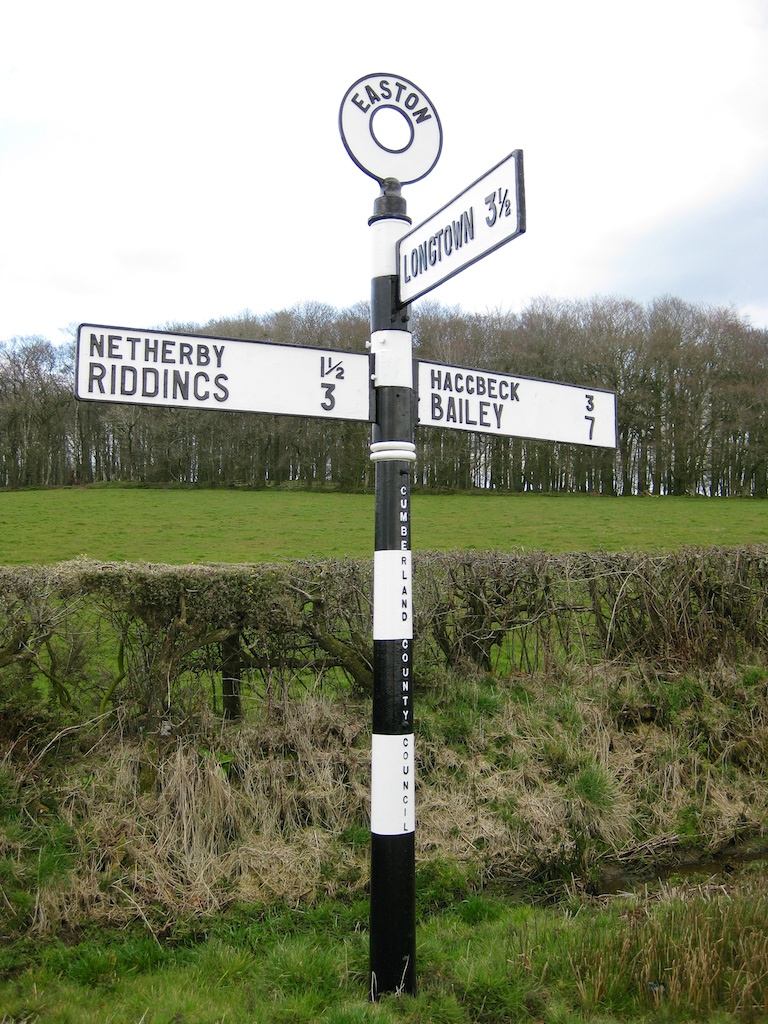
While there are many wonderful places outdoors on Great Britain, the easiest way to get a sampling of the history, ranging from the prehistoric to the industrial, is to visit the National Parks or the “Areas of Outstanding Natural Beauty” (AONB). Scotland has its own way of doing things. The mountains may be small, but they have character and certainly enough character to provide an epic for the unprepared!
While National Parks and AONB’s are scattered around the country, I prefer the north. The south, and particularly the Cornwall Area of Outstanding Natural Beauty will have better weather, the north provides a rawness and seemingly a closer connection to its history than other parts of the country. That said, in the south the places I recommend are the South Downs [info|map], Dartmoor [info|map] Exmoor [info|map] and the New Forest.
The Lake District
The jewel in the crown of the National Parks is the Lake District [info|map|photos]. The Guardian did a nice overview of some shorter walks. It’s relatively small compared to National Parks in the United States, but sees in the region of 16 million tourists a year (or the same as Yosemite, Yellowstone, Grand Canyon, Arches, Canyonlands, Bryce Canyon, Colorado National Monument and Death Valley - combined (from NPS Stats and STEAM 2009)). In the peak months of late June to early September it can be very busy but it’s worth the trip. I prefer to base myself in Keswick or Coniston, depending on whether I need to be in the north or south Lakes, respectively. Both of these towns are easier to deal with than the tourist-trap towns of Windemere and Ambleside.
The classic guides to fellwalking in the Lake District are Wainwright’s Pictorial Guides. While they seem like they’re from another time (they are!), they are recently updated (between 2010 and 2012) and capture the magic of the Lakes in a way no other guide can. No photographs, just illustrations, I spent many hours as a young boy pouring over exotic sounding places and excitedly planning my next trip…
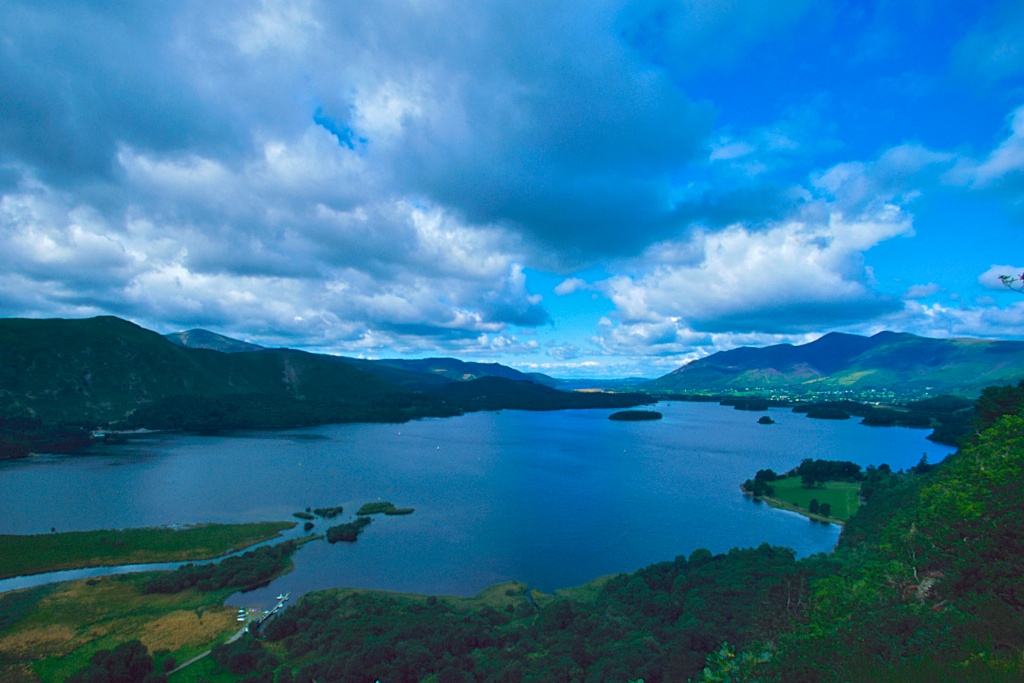
In the northern Lake District, two of my favourite hills are right outside of Keswick. Both Skiddaw and Blencathra provide a decent climb, though Blencathra provides a more entertaining walk - particularly if you incorporate Sharp Edge into your day. A little further afield is another of my all time favourites, Helvellyn. Often covered in cloud, the routes from the east from Patterdale via Swirral Edge or Striding Edge offer the best walks - the west side is a steep slog. The lesser known High Street) (named for the 2000 year old Roman Road built over the top), offers a quieter perspective. Down the road in Borrowdale, the Langstrath valley walk is less strenuous but still very pretty. If you continue over Honister Pass, you’ll come to Buttermere, another area with many hikes and worth exploring.
Down south and near Coniston, my favourite walk is up the Old Man and Wetherlam. I love the ascent via the Coppermines and Levers Water / Boulder Valley.
Northumbria
My family has over 1,000 years of history in Northumbria so I feel a special connection to this place. Northumberland National Park is within the least populated county in England and doesn’t see as many tourists. While it lacks the picturesque qualities of the Lake District it makes up for it with a raw and natural beauty. There is an interesting history of early Christianity here including the Lindisfarne Gospels (though they are now in London), The highlights for me are Hadrian’s Wall and the Cheviot Hills. Just outside of the National Park is the Northumberland Coast AONB. Complete with castles, causeways, beaches and sea-life, it’s a very difference experience to the interior of the county.
North Pennines
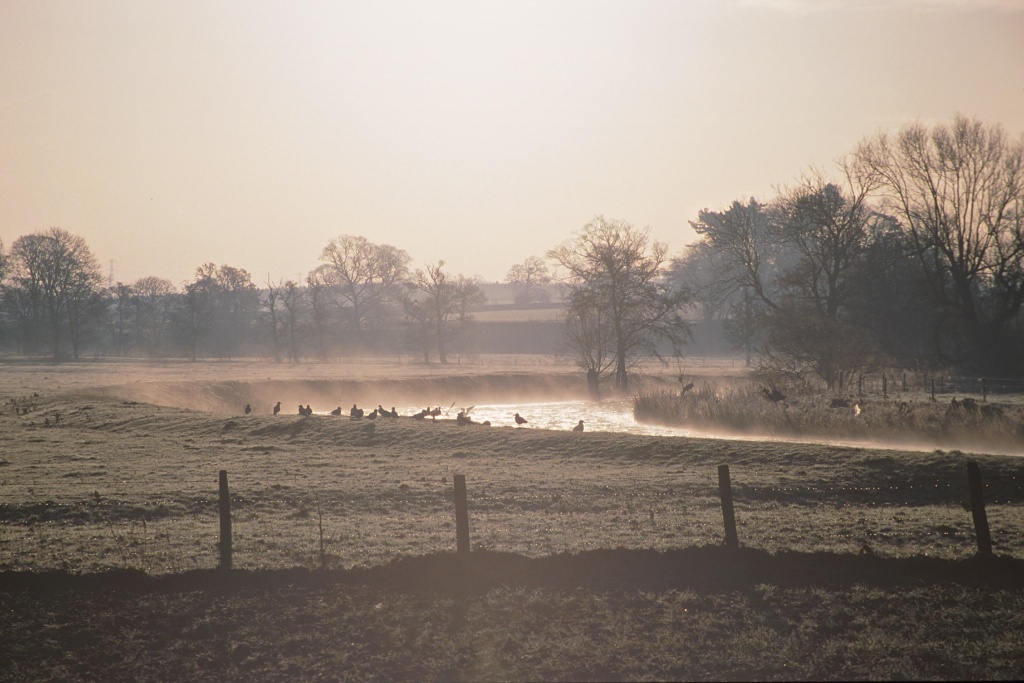 The North Pennines AONB is famous for its moorland. Very quiet and sometimes even bleak, Cross Fell is the highest point and a good walk - though usually very boggy. Further south in Teesdale there are a couple of waterfalls - Cauldron Snout and High Force, though the latter is developed and touristy. My favourite in the area is Mickle Fell and High Cup.
Yorkshire Dales
Further south again, the Yorkshire Dales National Park has great walking, the classic route being “The Three Peaks”. Tough to complete in a single go, I prefer a more leisurely ascent of each of the peaks separately - Ingleborough, Whernside and Pen-y-ghent. Outside of the park is another of my favourite walks, Malham Cove and Gordale Scar.
North York Moors
East of the Dales is another National Park - the North York Moors. It has a different feel from the Dales, more isolated but less dramatic and certainly quieter. The best walking routes in the moors coincide with the Cleveland Way. Alternatively, for a challenge, try the Lyke Wake Walk - once was enough for me… As a contrast, I’ve always enjoyed the family friendly ascent of Roseberry Topping.
The Pennine Way
Many of the above walks in Northern England are a part of, or close to, the long distance footpath “The Pennine Way”. While the 268 mile route usually takes two to three weeks to complete, the guidebooks chop up the route into easily digestible day walks. Again, I love the Wainwright style in his “Pennine Way Companion”, updated in 2012.
Scotland
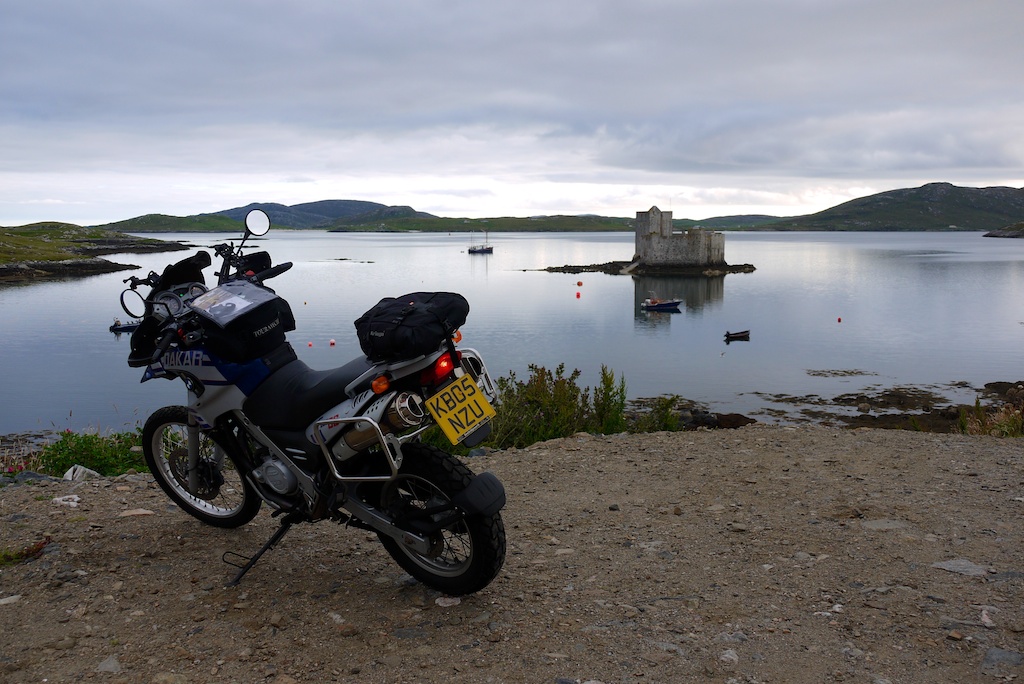
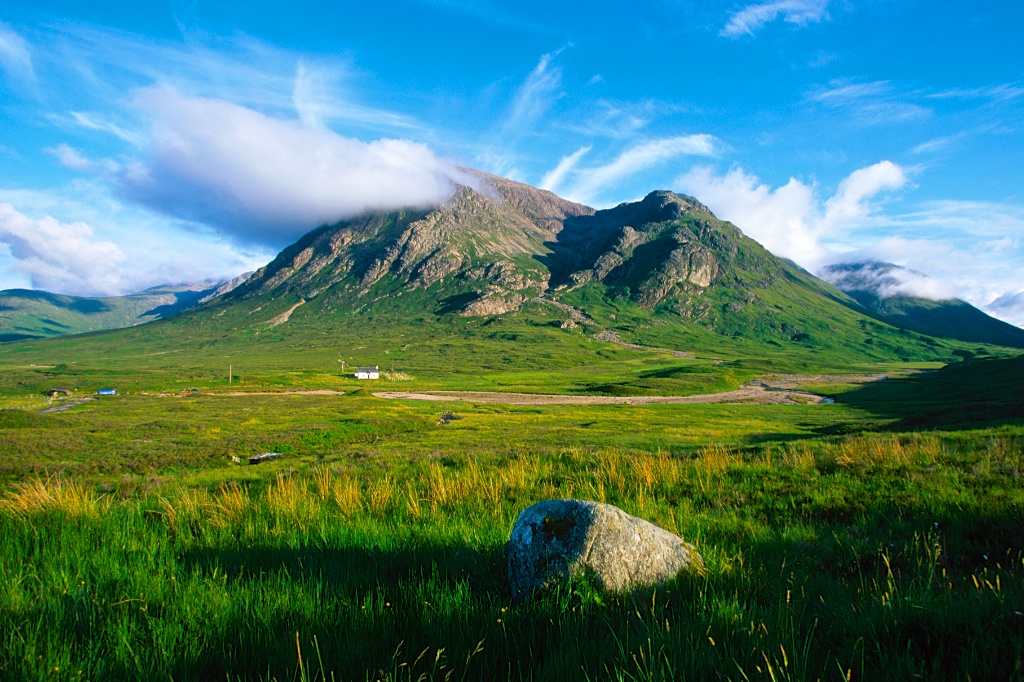 Scotland has 60% of the area of England, but less than 10% of the population. While some areas are very touristy, it is clearly quieter than England and Wales. It’s more of a trek to get there, though the drive or train rides are beautiful. Typically, the further north you go the fewer people you’ll see and the more spectacular the scenery. In the summer though, beware Culicoides impunctatus - the truly unpleasant midgie, I’ve met better mannered insects in the rainforest.
You could spend many weeks exploring Scotland, though from an outdoors perspective Glen Coe is a great place to start. It’s easy to base yourself out of Fort William [info|map]. Glen Coe itself is spectacular, and two great hikes make my favourites list. First, The Buachaille, or Buachaille Etive Mòr, “the Great Herdsman of Etive” is situated in Glen Etive just south of Glen Coe. It’s a steep 8-9 mile walk with great views.
My second Glen Coe area walk is the Aonach Eagach, possibly the most spectacular ridge walk on Great Britain. This is a much harder walk, and has significant exposure and some scrambling, though again, spectacular views.
Further afield, there are more remote places in the Highlands and the Islands. The Isle of Skye also has a spectacular ridge walk (really a scramble and some perhaps-avoidable climbing) - the Cullin Ridge. It’s a very long and exposed route that only the adventurous would enjoy. Back on the mainland, and further north again is the area of Assynt [info|map]. There are many great walks in this area, including the three great summits of Stac Pollaidh, Suilven and Canisp.

.jpg)